

.jpg?w=1200&h=1200)
.jpg?w=1200&h=1200)
.jpg?w=1200&h=1200)
.jpg?w=1200&h=1200)


.jpg?h=1200&q=80&w=1200)
.jpg?h=1200&q=80&w=1200)
.jpg?h=1200&q=80&w=1200)
.jpg?h=1200&q=80&w=1200)
🔬 How Is It Made?
It uses a unique "flash-spinning" process: polyethylene is dissolved at high temperature and pressure, then instantly sprayed out to form extremely fine fibers (0.5–10 microns). These fibers are then thermally bonded into a soft yet incredibly tough "paper." This process gives it the lightness of paper combined with the strength of plastic.
✨ What Are Its "Superpowers"?
Tyvek's performance is very unique, combining the advantages of paper, film, and fabric:
-
Waterproof and Breathable: Water droplets cannot penetrate, but water vapor (like sweat) can escape. It protects against liquids without causing stuffiness.
-
Lightweight Yet Strong: It weighs about half as much as ordinary paper, yet is extremely difficult to tear. It resists pulling, ripping, and punctures.
-
Clean and Low-Linting: The surface is smooth and does not generate dust easily. It also blocks bacteria and fine particles.
-
Weather and Chemical Resistant: It resists corrosion from most chemicals like acids, bases, and salts, and is highly resistant to aging.
-
Printable and Easy to Process: It has good ink adhesion and can be used with various printing methods. It can also be sewn or ultrasonically bonded.
-
Environmentally Friendly and Recyclable: Made of pure polyethylene, it can be recycled like plastic. Burning it produces only water and carbon dioxide.
📦 What Are Its Main Uses?
Because of its outstanding properties, Tyvek is widely used, spanning both industrial and consumer goods fields:
Industrial and Medical
-
Building Envelopes: Used as a waterproof and breathable membrane in walls and roofs. It blocks wind and rain while allowing moisture vapor to escape, preventing mold growth.
-
Medical Sterile Packaging: Commonly used for packaging surgical instruments, syringes, etc. It tears with low lint and keeps the contents sterile.
-
Disposable Protective Clothing: Used for chemical protection, medical isolation, and dust work jumpsuits, combining protection with comfort.
Design and Creative
-
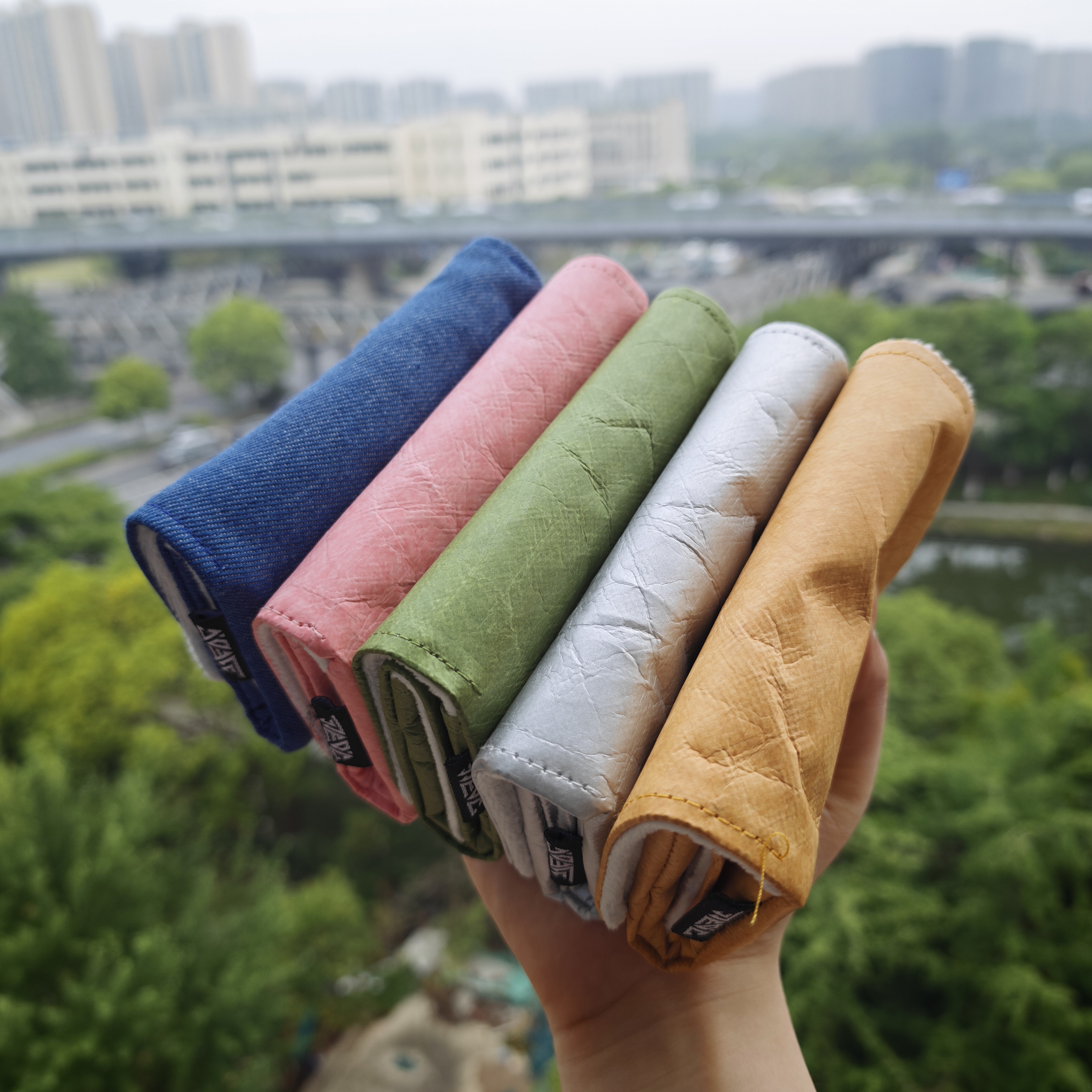
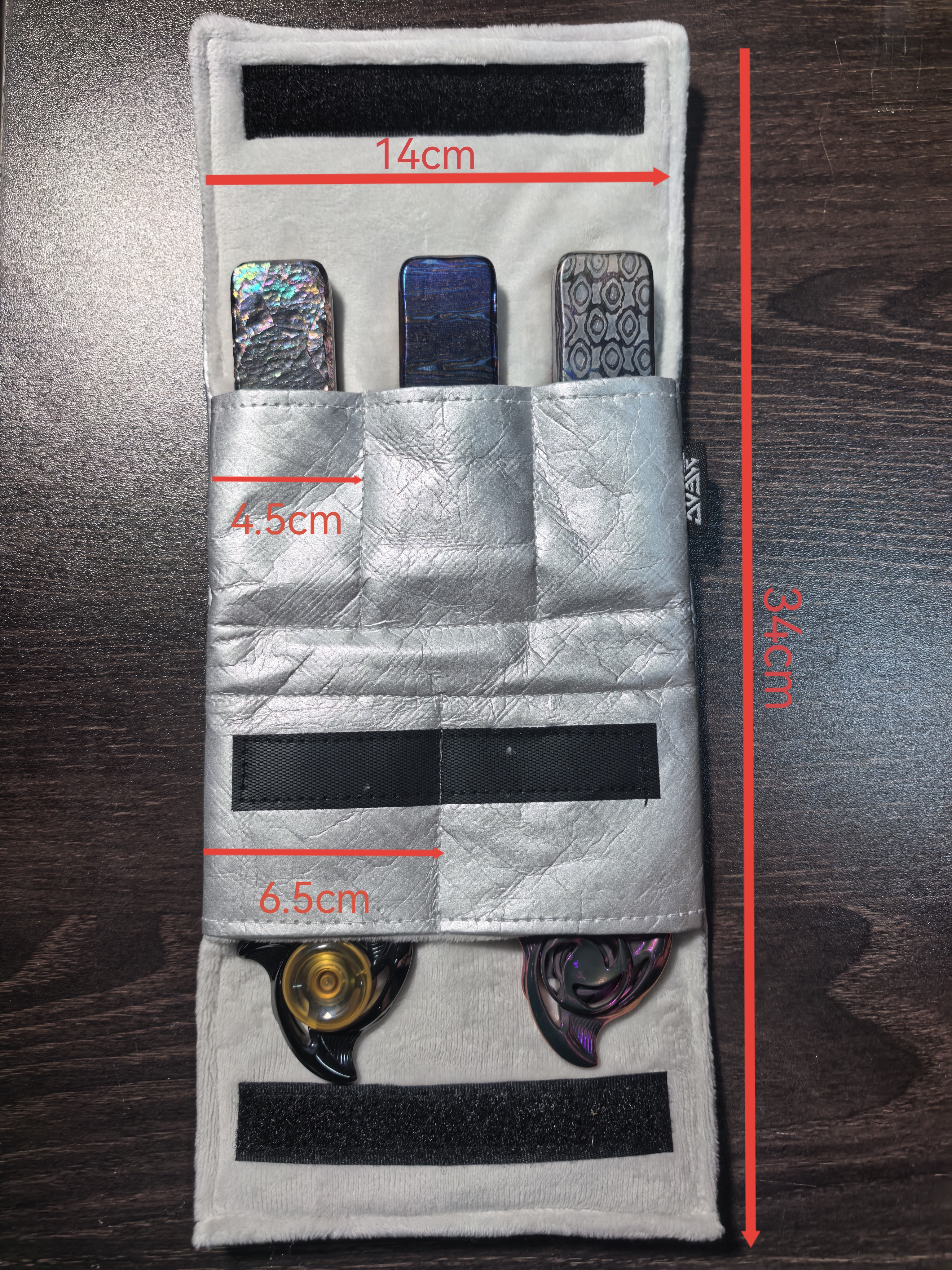
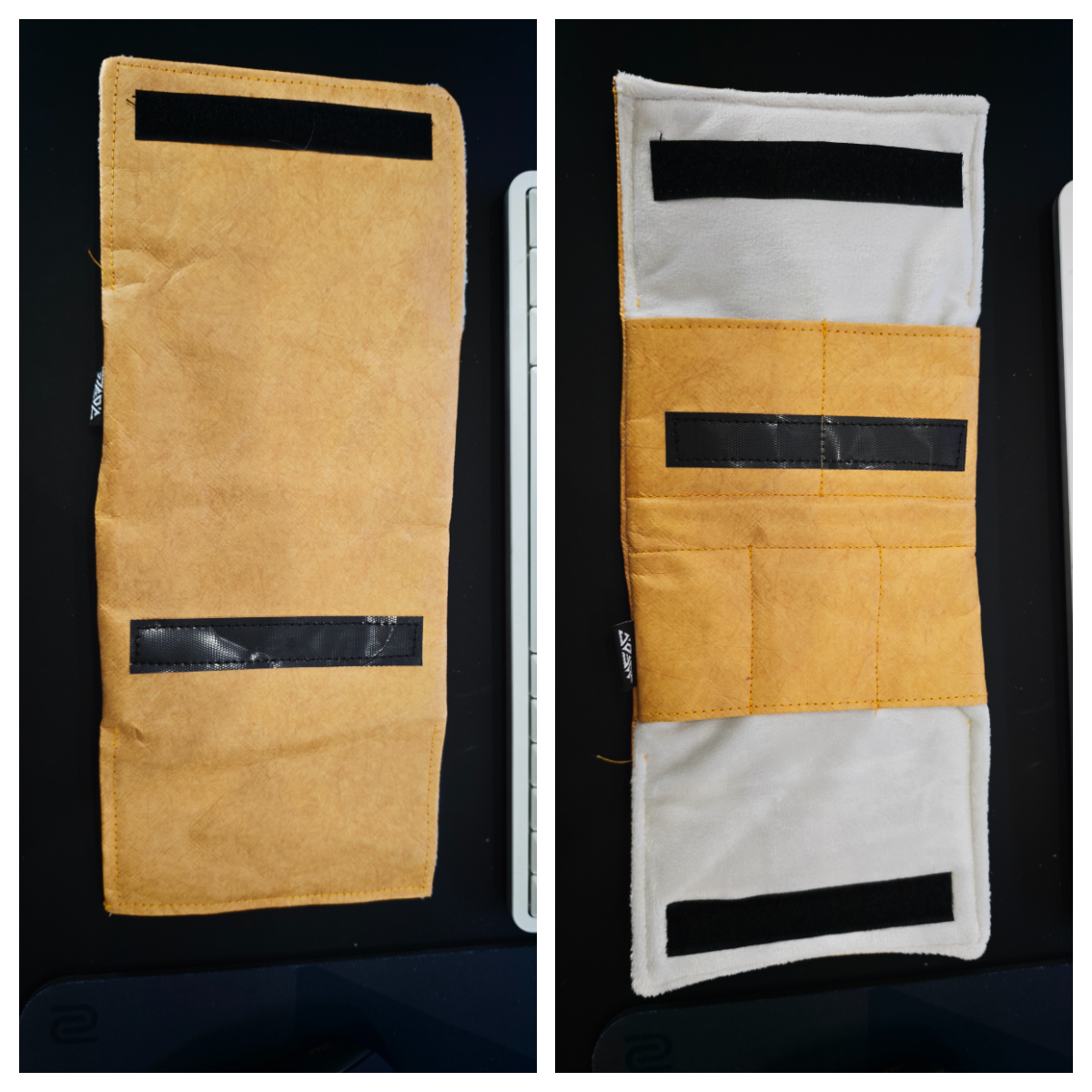
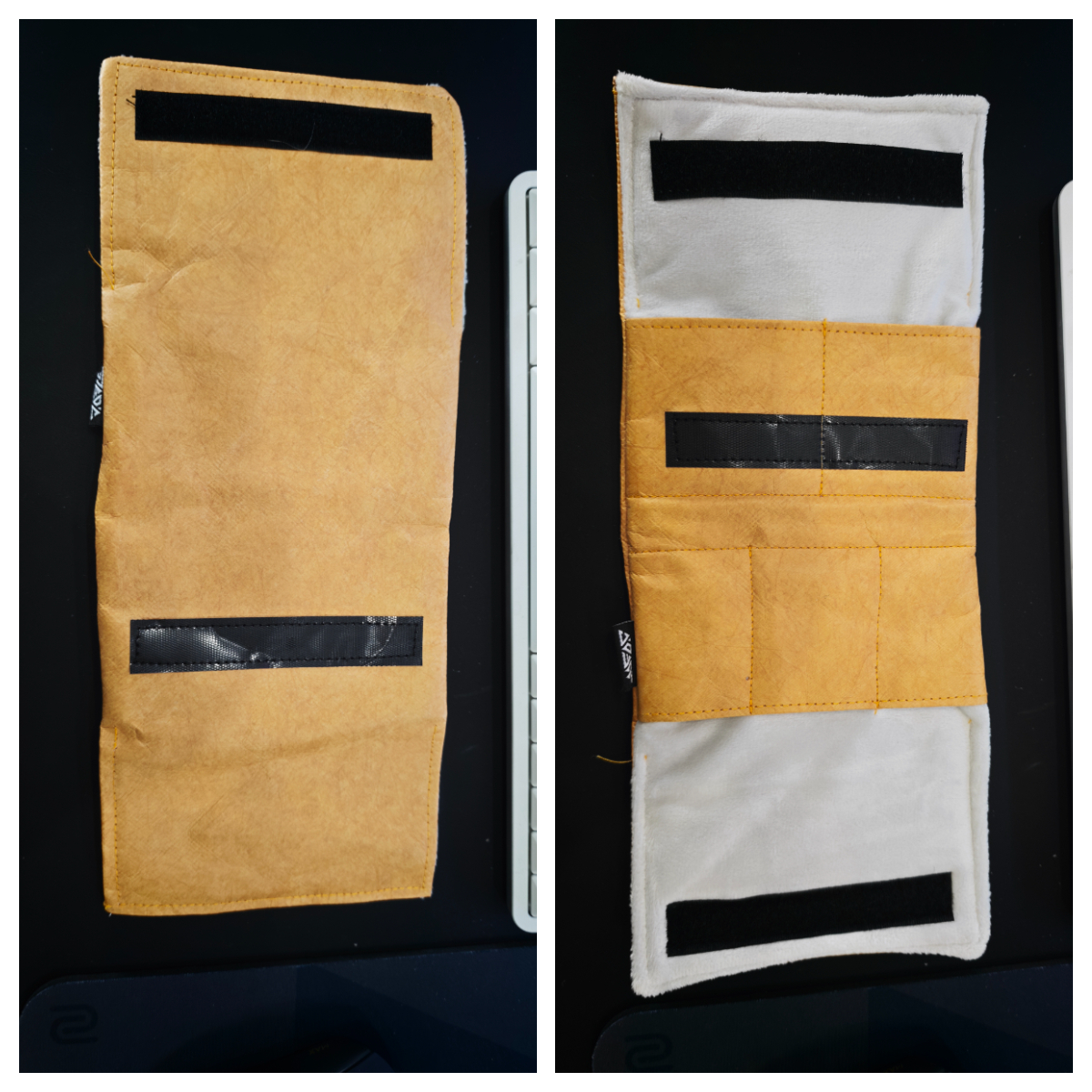
Fashion Items: Used to make wallets, handbags, backpacks, shoes, etc. With use, it develops unique creases and a patina, much like leather, giving it great texture.
-
Creative Home Décor: Such as lamps, curtains, and wall coverings. Its translucency and texture can create distinctive light and shadow effects.
-
Advertising and Printing: Used for high-end labels, wristbands, maps, and menus, being durable and highly design-oriented.
-
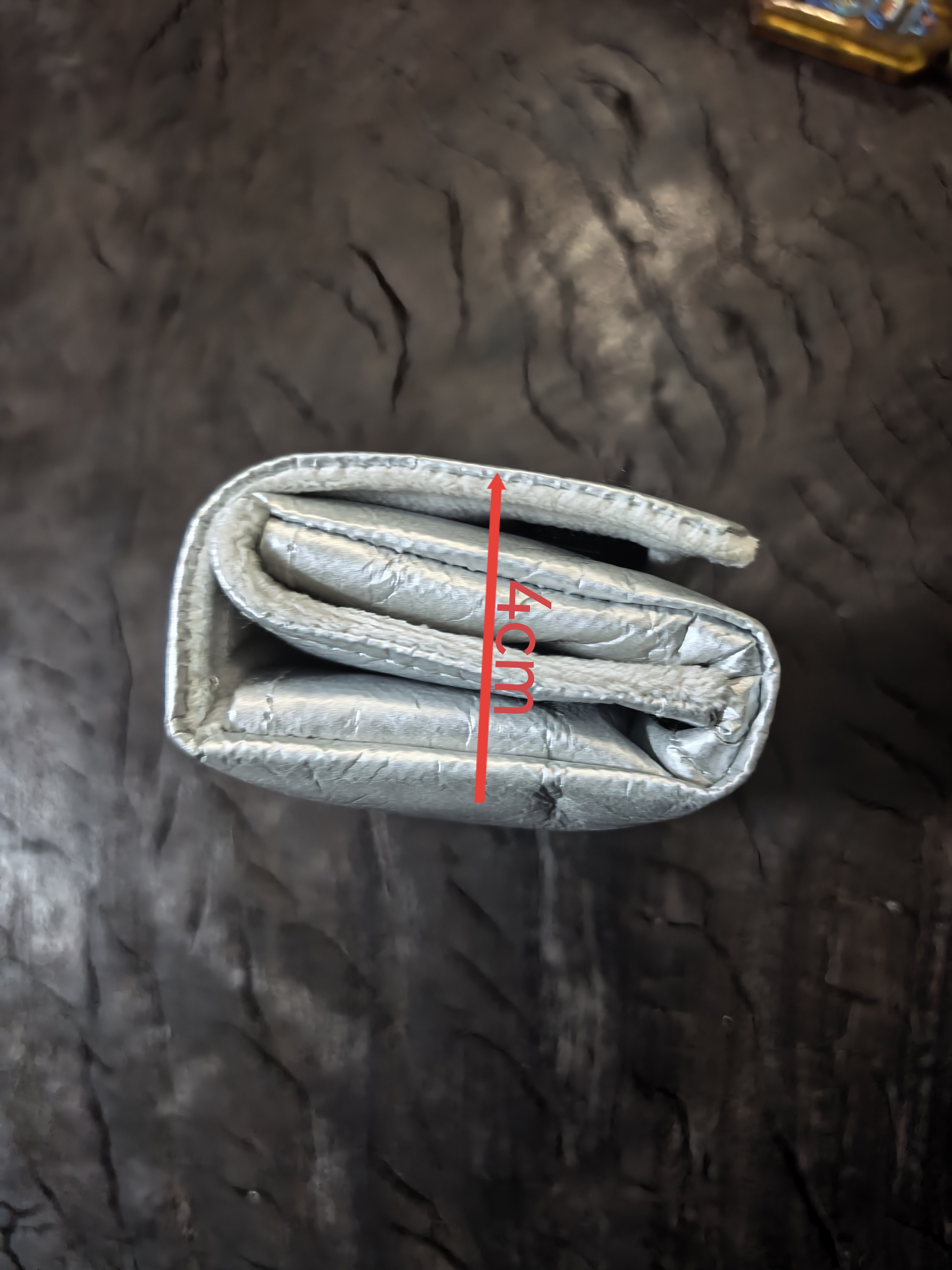
Storage and Wrapping: Storage pouches for cosmetics and small items, or as an alternative to bubble mailers, lightweight yet strong.
🤔 Common Questions
-
Is it paper or cloth?: It is essentially a plastic nonwoven, combining the characteristics of both.
-
Can it be washed?: It can be carefully hand-washed, but machine washing and vigorous scrubbing will break down its structure, making it fuzzy and soft. However, some people actively pursue this "worn-in" look.
-
Does it resist sharp objects?: Although tear-resistant, once punctured by something sharp, it can tear easily along the puncture. (This property is deliberately used for easy-tear openings on medical packaging.)
💎 Summary
DuPont paper (Tyvek) is essentially a "crossover master." Using plastic processing techniques, it achieves the lightness of paper and the toughness of cloth. You can find it on construction sites just as easily as in fashion boutiques. If you are interested in specific products made from it, like wallets or backpacks, I can introduce those further.