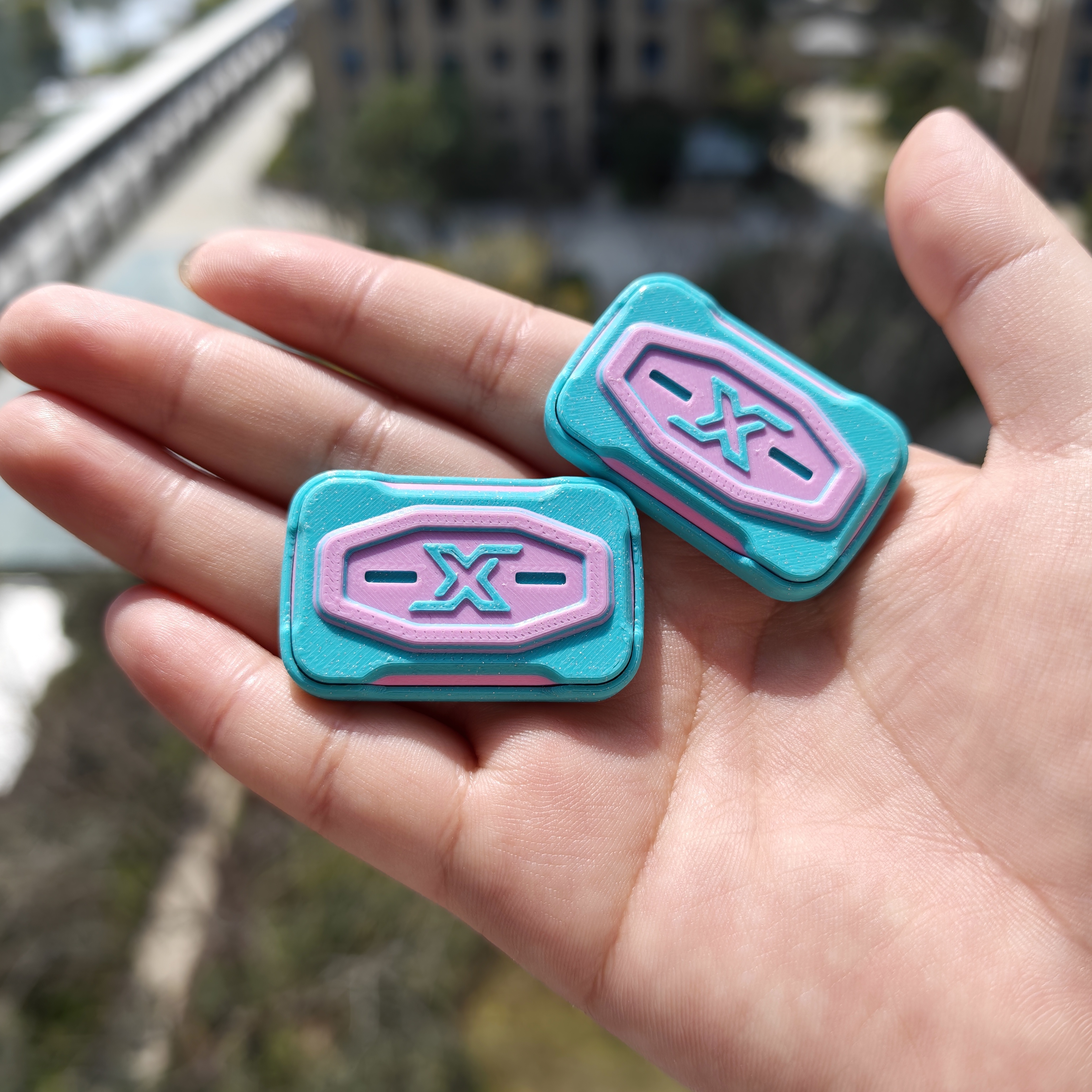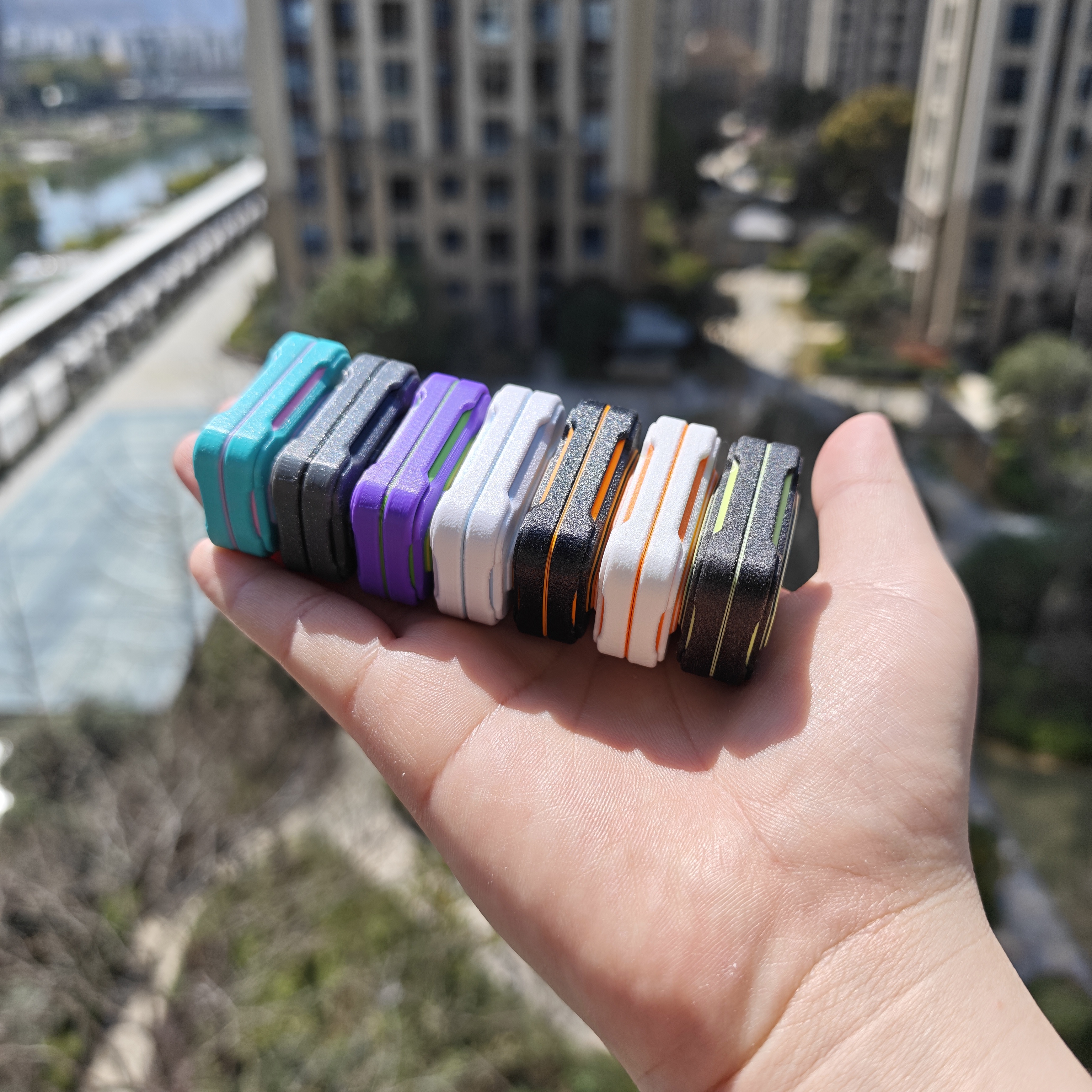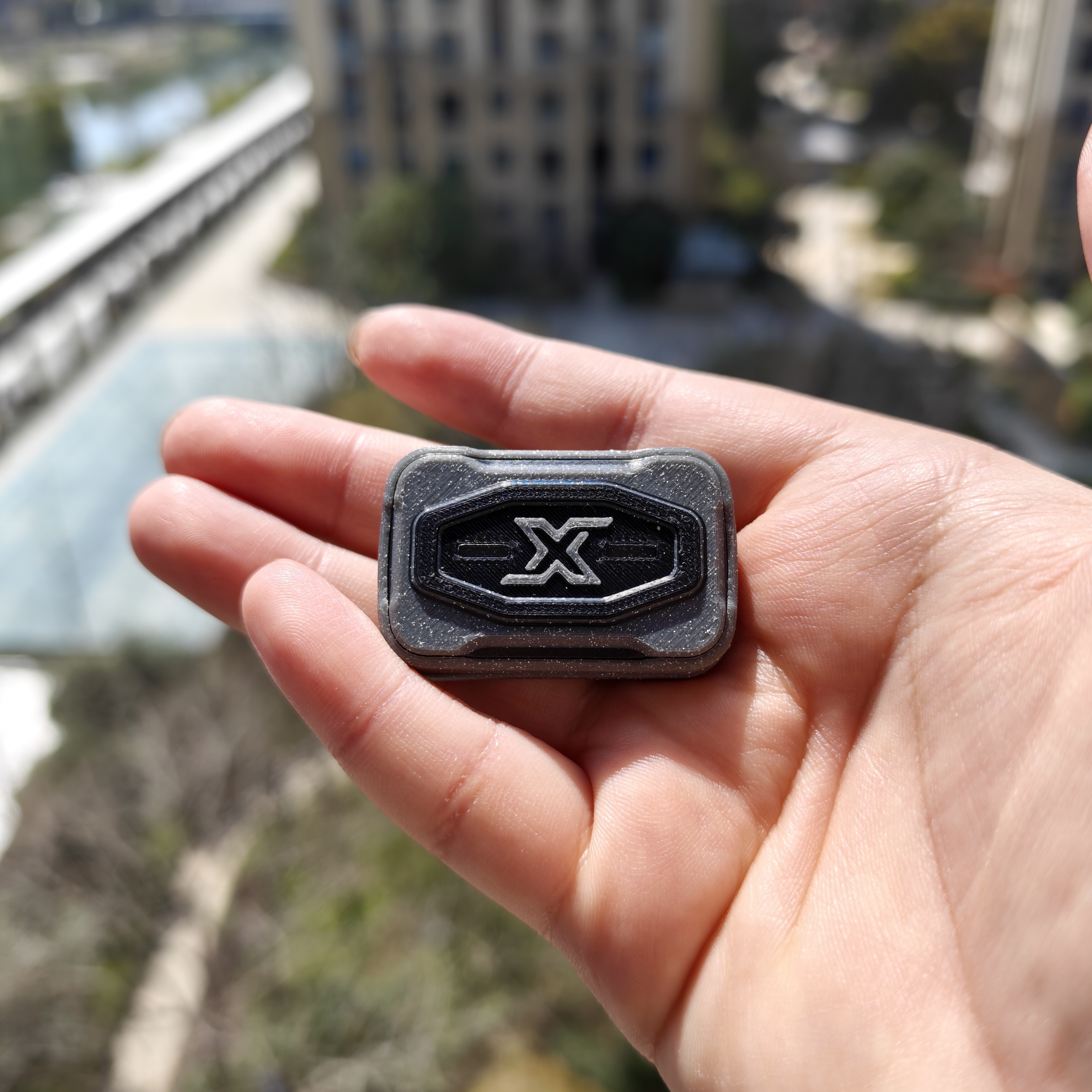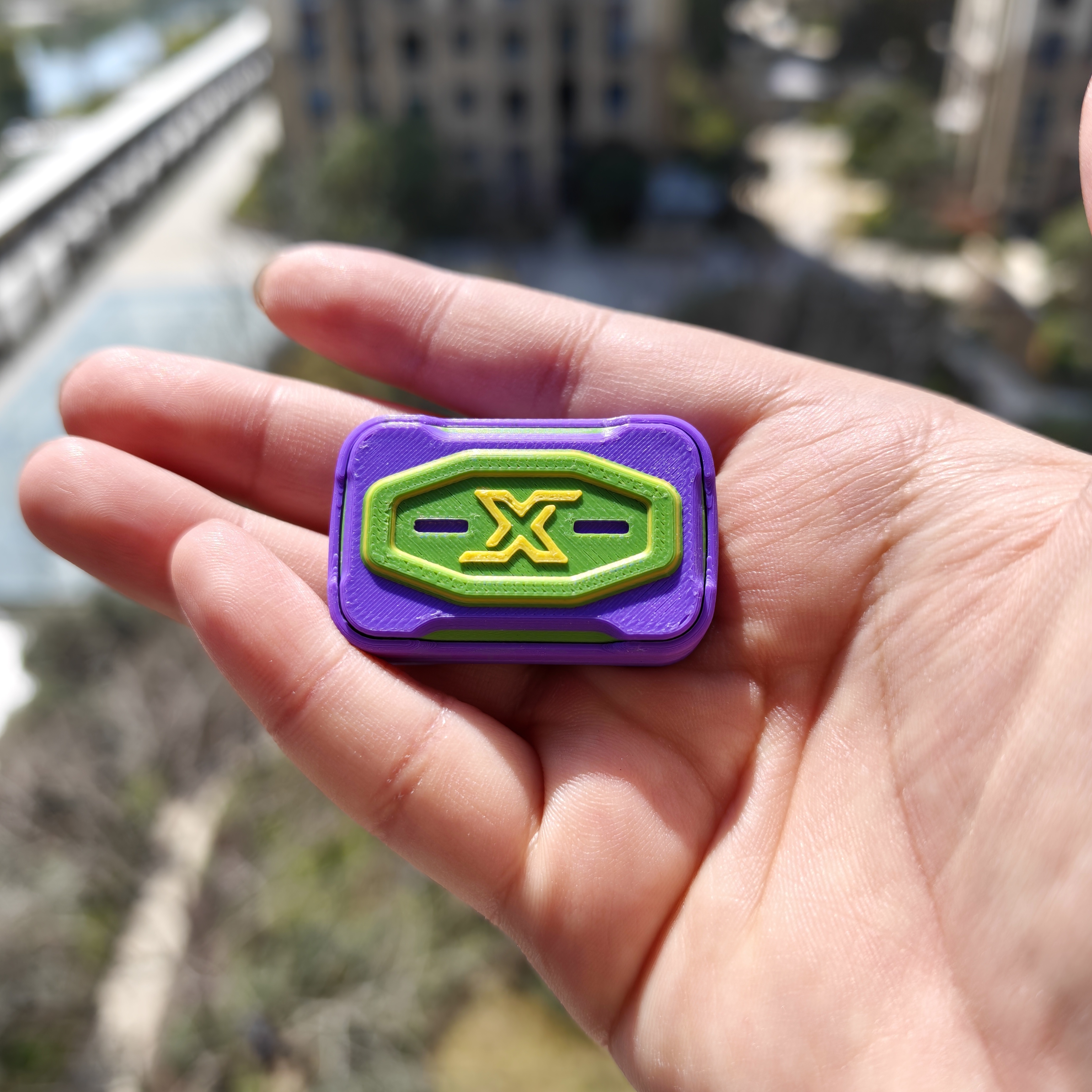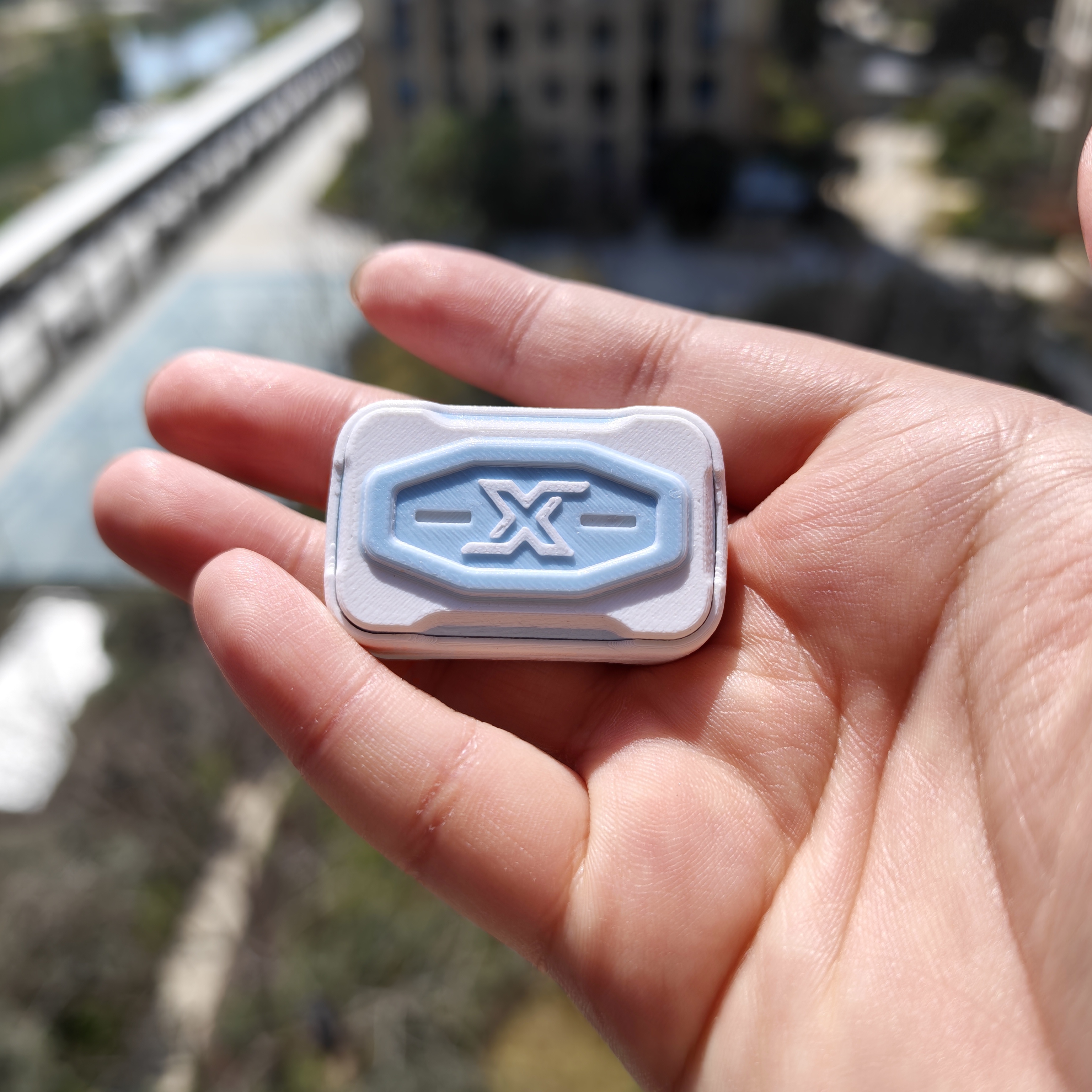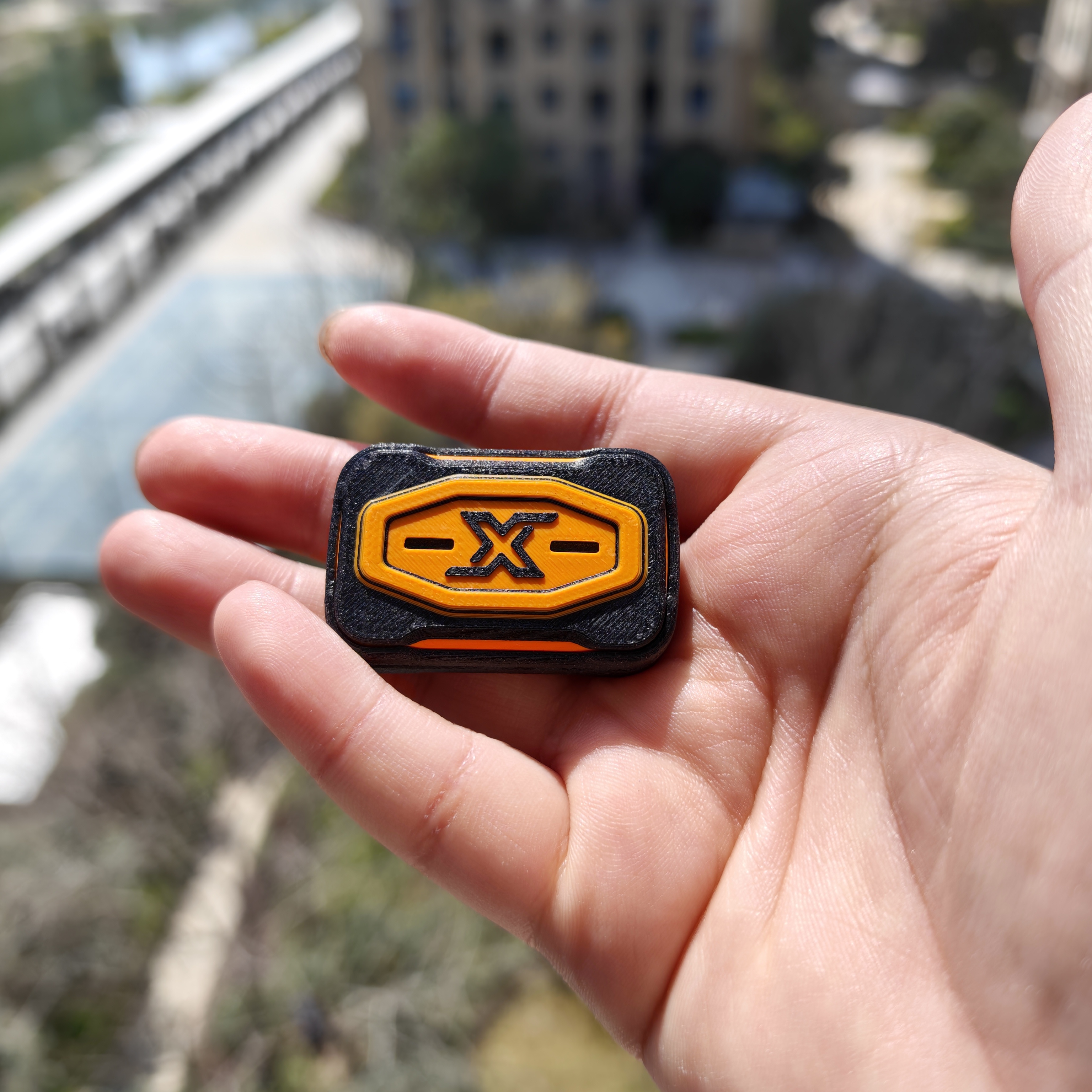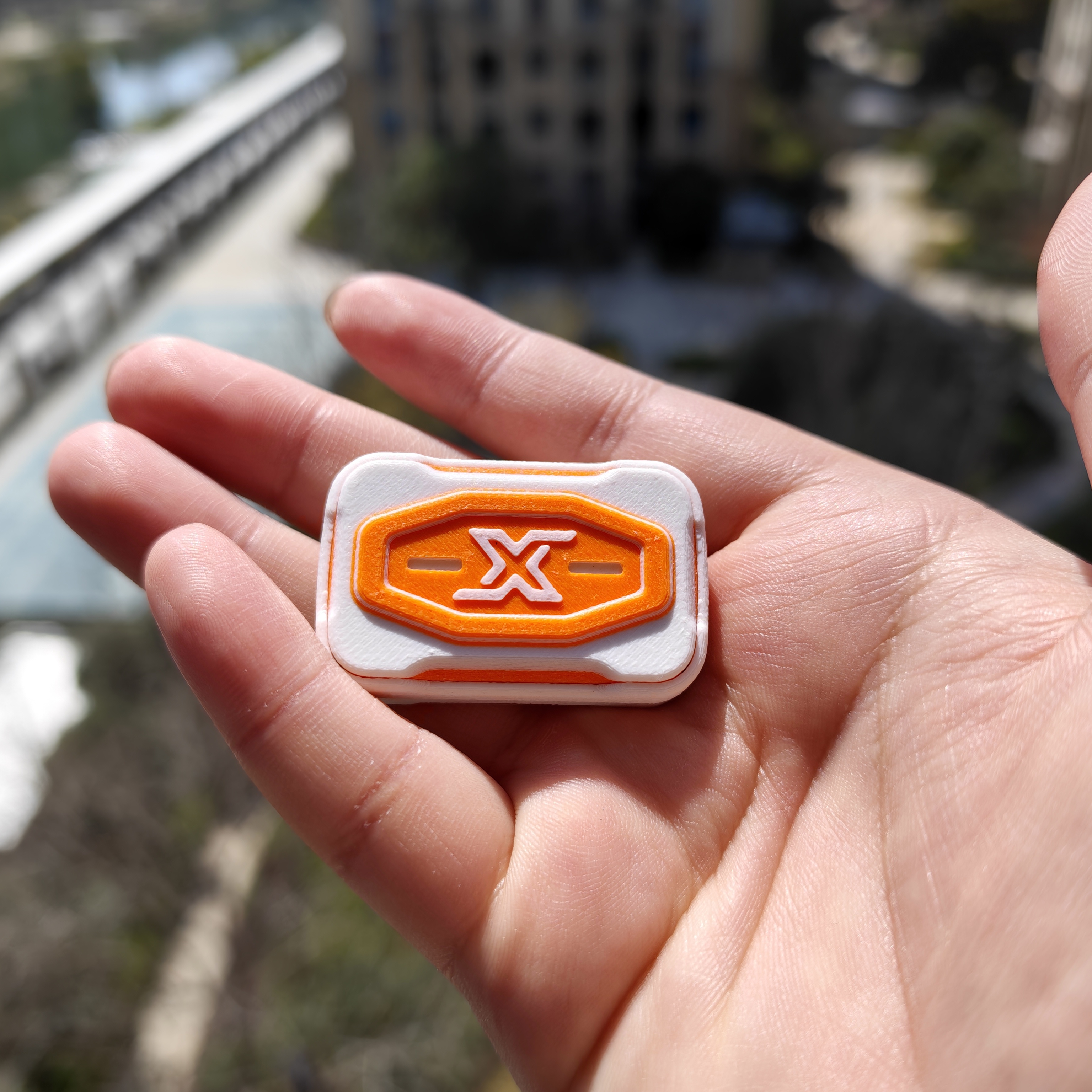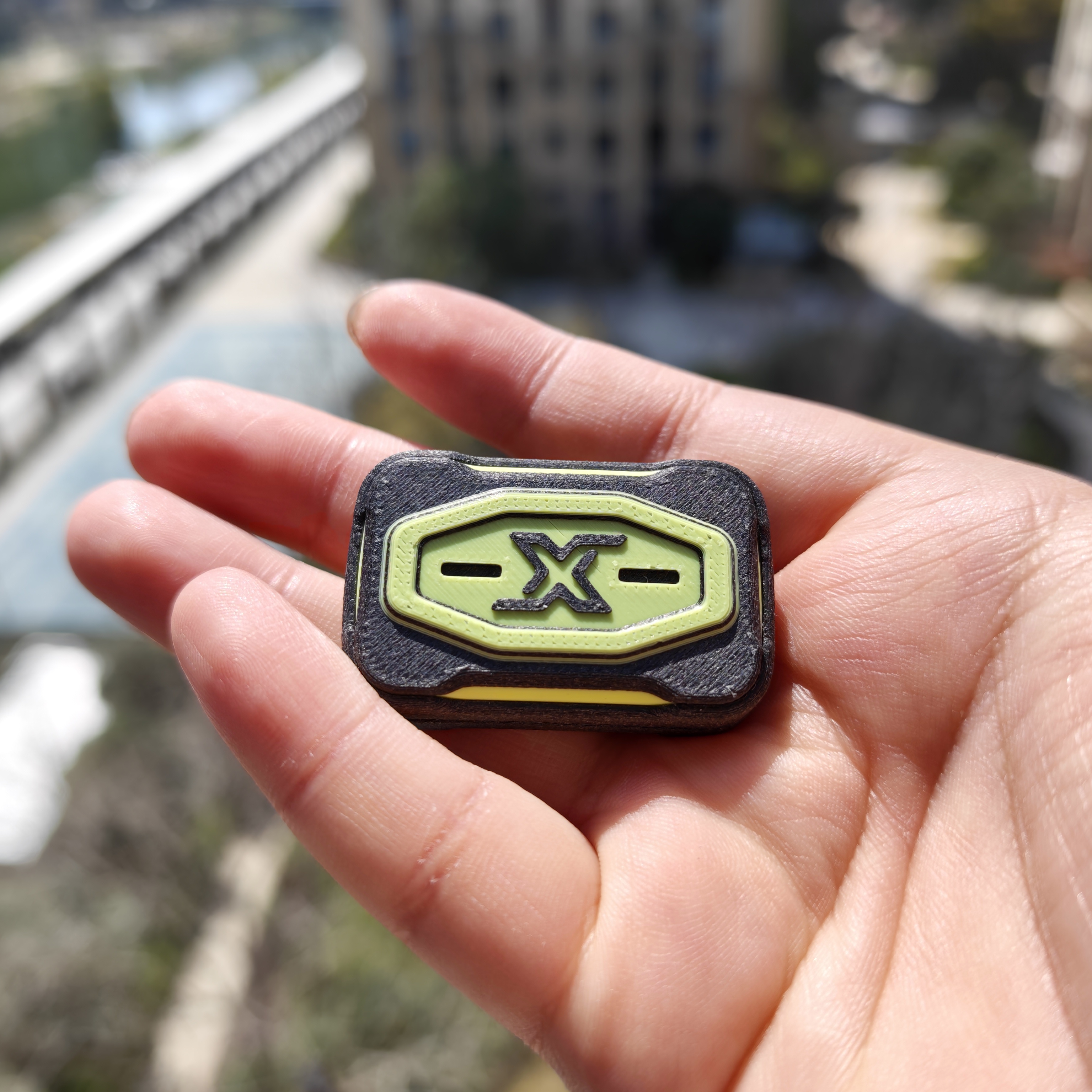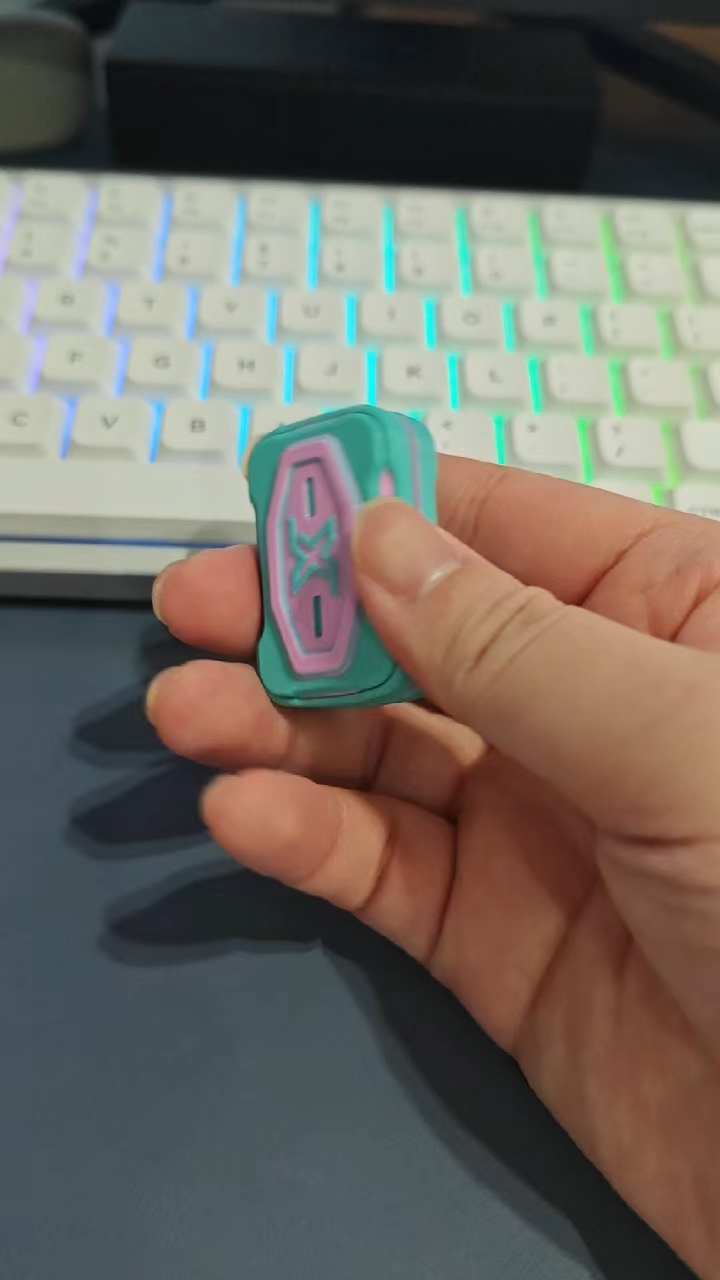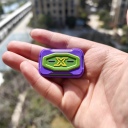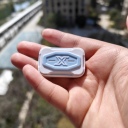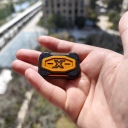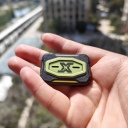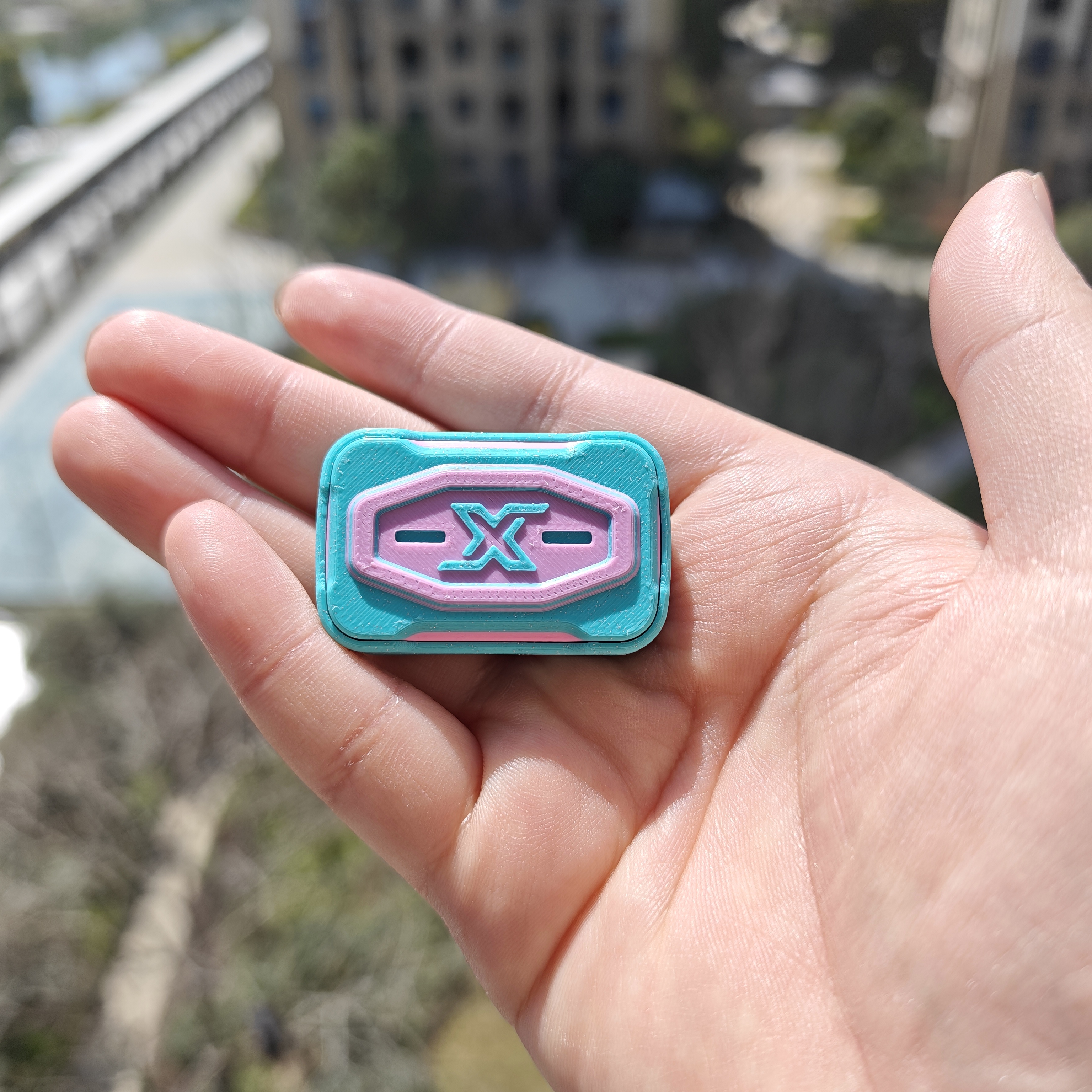
This is another masterpiece from 3DX after the X55 slider. After a few days of use, I personally feel that it is an upgraded version of the X3 slider.
Let's start by comparing the overall materials of the sliders:
The X3 slider is made of ABS material, while the X56 slider adds two additional materials to ABS: ABS-GF and PETG-CF. Below is a comparison of their materials::
| Aspect | 🔵 ABS | 🟢 ABS-GF (Glass Fiber Reinforced) | ⚫ PETG-CF (Carbon Fiber Reinforced) |
|---|---|---|---|
| Core Characteristics | Balanced strength, toughness, and heat resistance | High rigidity, high strength, high dimensional stability | High rigidity, good toughness, excellent surface finish, low moisture absorption |
| Tensile Strength | 38.96 ± 0.33 MPa | 36 - 54 MPa (varies by GF content) | 35 - 46 MPa (X-Y direction) |
| Flexural Modulus | 2400 ± 79.69 MPa | 2500 - 3213 MPa | 2291 - 2910 MPa (X-Y direction) |
| Notched Impact Strength | 20.03 ± 1.32 kJ/m² | 8.17 - 20.7 kJ/m² (decreases as GF increases) | 5.11 - 41.2 kJ/m² (X-Y direction, data varies significantly) |
| Heat Deflection Temp (1.8 MPa) | 186.8 - 197.6 °F | 186.8 - 212 °F | 154.4 - 165.2 °F |
| Printing Difficulty | High (Prone to warping, requires an enclosed chamber) | High (Requires a hardened steel nozzle, prone to warping, needs an enclosed chamber) | Medium (Easier to print than ABS, less warping, but needs a wear-resistant nozzle) |
| Printing Temperature | 428 - 482 °F | 446 - 518 °F | 464 - 500 °F |
| Bed Temperature | 176 - 212 °F | 176 - 230 °F | 158 - 176 °F |
| Key Advantages | High toughness, heat resistant, low cost, easy post-processing | Extremely high rigidity and strength, low shrinkage, dimensionally stable | High rigidity and strength, good toughness, attractive carbon fiber texture, more user-friendly printing |
| Key Disadvantages | Strong odor during printing, highly prone to warping | Reduced toughness, rough surface finish, requires hardened steel nozzle, limited layer height | Lower heat resistance compared to ABS-based materials, requires hardened steel nozzle, significant anisotropy |
| Typical Applications | Automotive parts, electronic housings, jigs & fixtures, functional prototypes | Structural components, high-rigidity industrial parts, automotive components, power tool housings | Drones, racing parts, lightweight brackets, functional parts, outdoor gear |
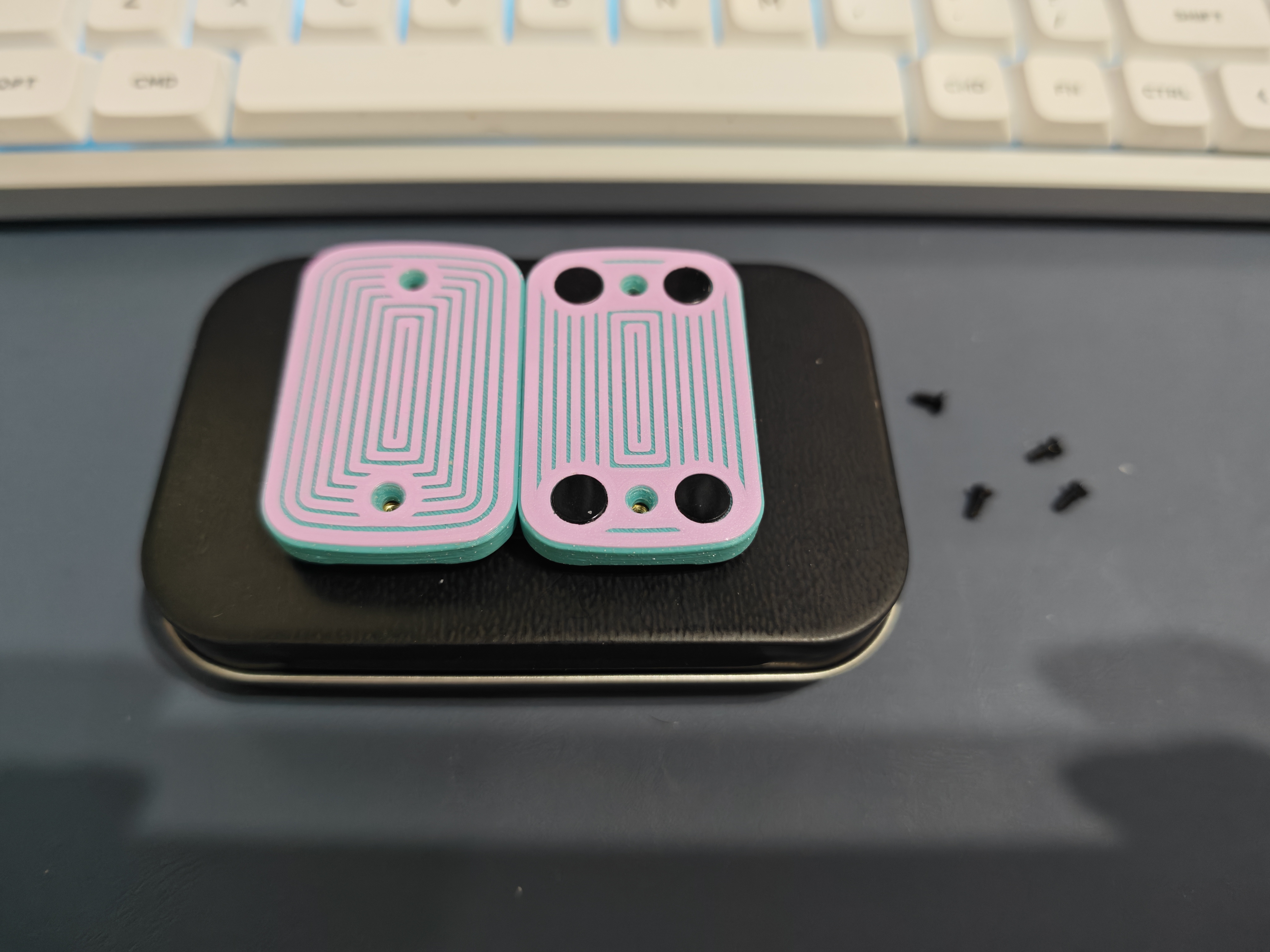
Then, let's compare the chassis of the X3 and X56:
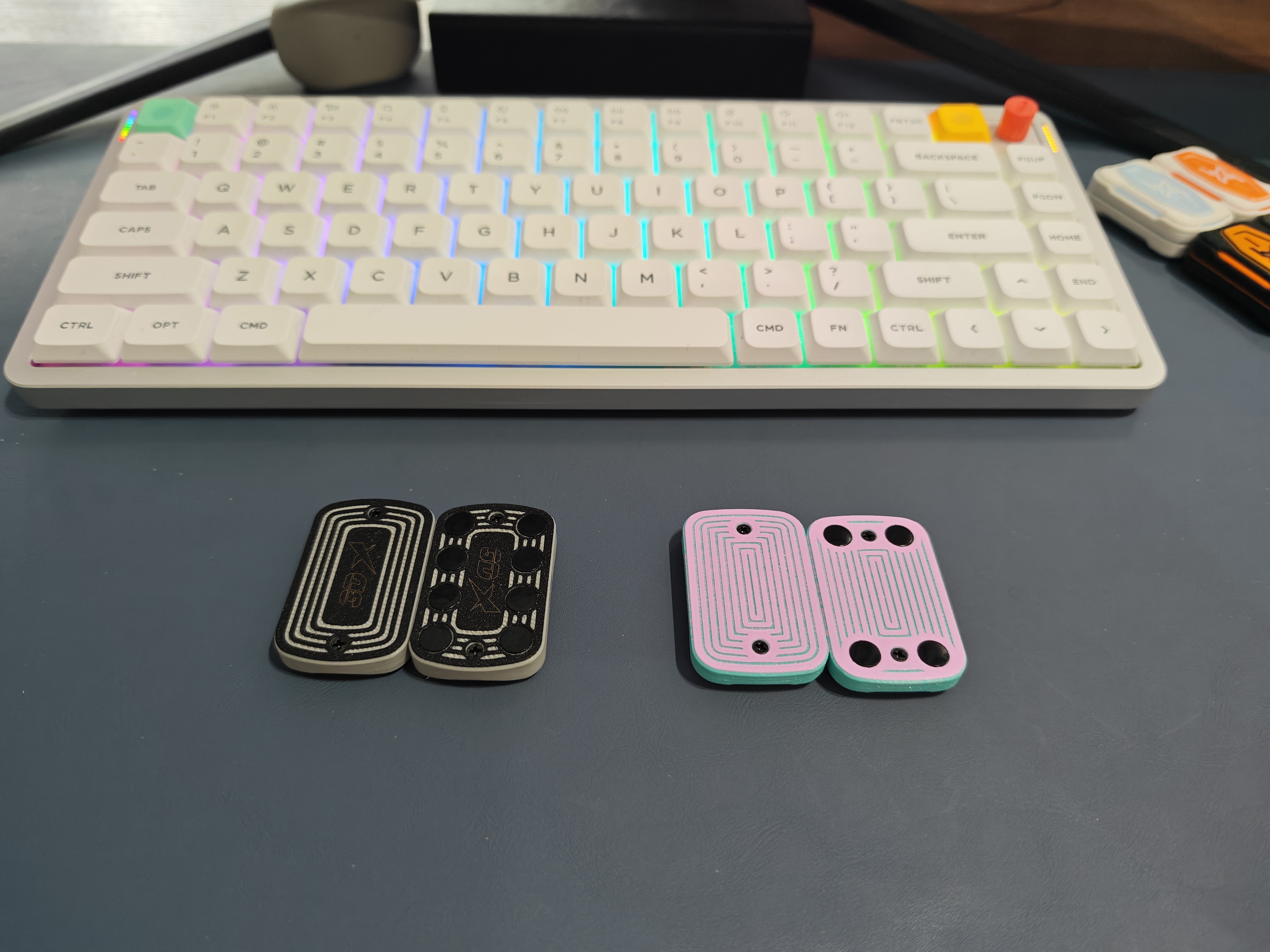
(In the image, X3 is on the left and X56 is on the right.)
The Teflon feet have been changed from eight feet per side to four feet at the four corners per side, making the X56 smoother to push than the X3 in actual use.
Let's compare the overall magnet systems:
The X3 magnet specifications are: 7*3MM N45 in the corners and 5*3MM N25 in the center.
The X56 magnet specifications are: 8*2MM N52 in the corners and 5*2MM N45 in the center.
Comparing the magnet systems of the two, the X56's corner magnets have increased diameter and decreased thickness. The magnetic strength of the magnets has also been improved, resulting in a stronger overall magnetic force despite the reduced thickness. Furthermore, due to the increased diameter of the magnets, the success rate of fancy moves related to the four corners has improved.
(The magnet holder has been upgraded from ABS material to stainless steel.)
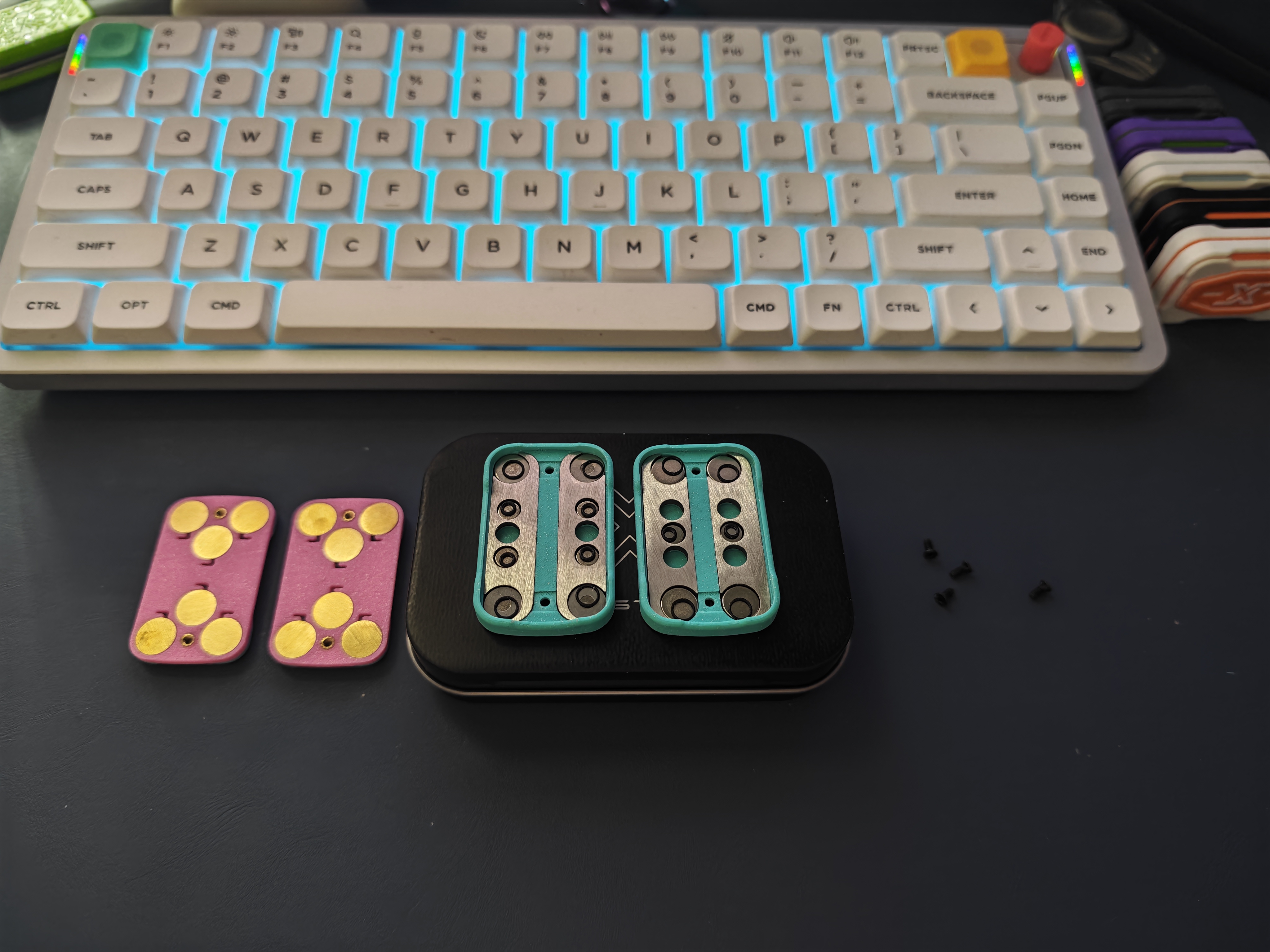
(Internal magnet structure diagram of X56 slider)
Specifications:
Product dimensions: 46.3*29.4*16mm (L*W*H)
Magnet specifications: 8*2mm(N52)/5*2mm(N45)
Weight: 46g (11g lighter than X3)
Package Contents:
Packaging tin box × 1 (can be used as a metal sheet to assist in magnet replacement during DIY)
Several small rubber rings
Several large rubber rings
Several metal discs
Magnetic stick × 1
Teflon feet × 4
5×2mm N45 magnets × 2